Author: Siyavash Shahabi
-
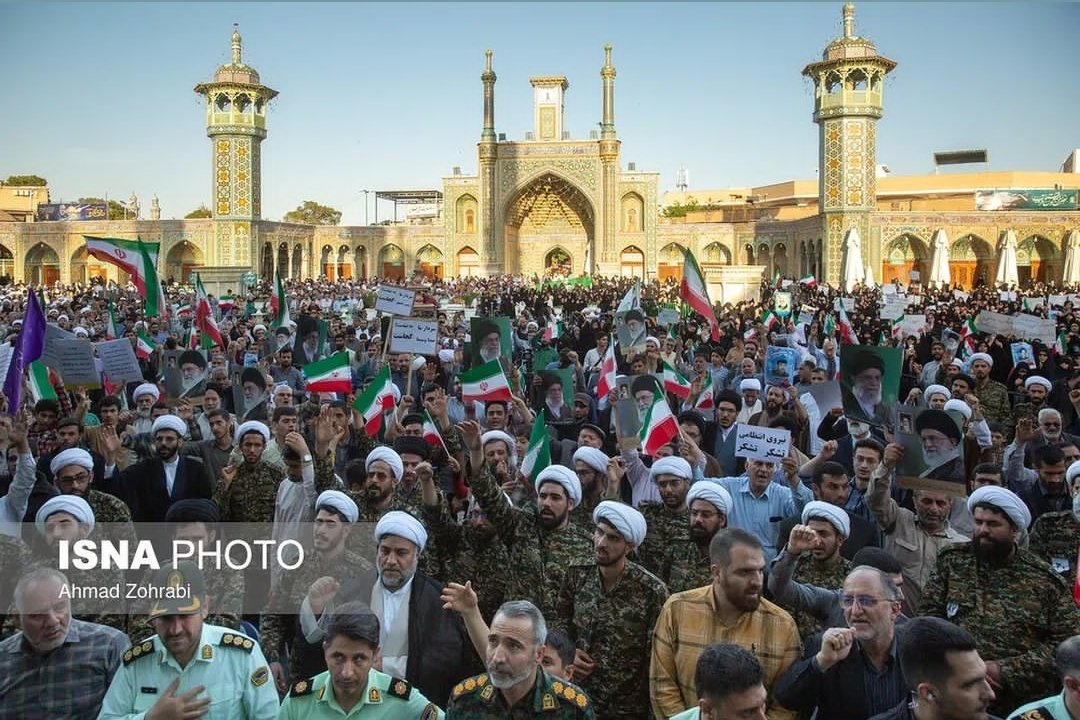
War on Women:
Tracing Nazi Tactics in Tehran’s StreetsIn an unprecedented regime resistance, Ali Khamenei the leader of Islamic regime in Iran introduced “Political Haram,” linking religious law with politics to fortify the ideological foundation of Iran’s regime. This ideological maneuver targets especially women protesters, expanding the state’s repressive measures. The enforcement integrates religious prohibitions with political suppression, as scholars and media outlets…
-
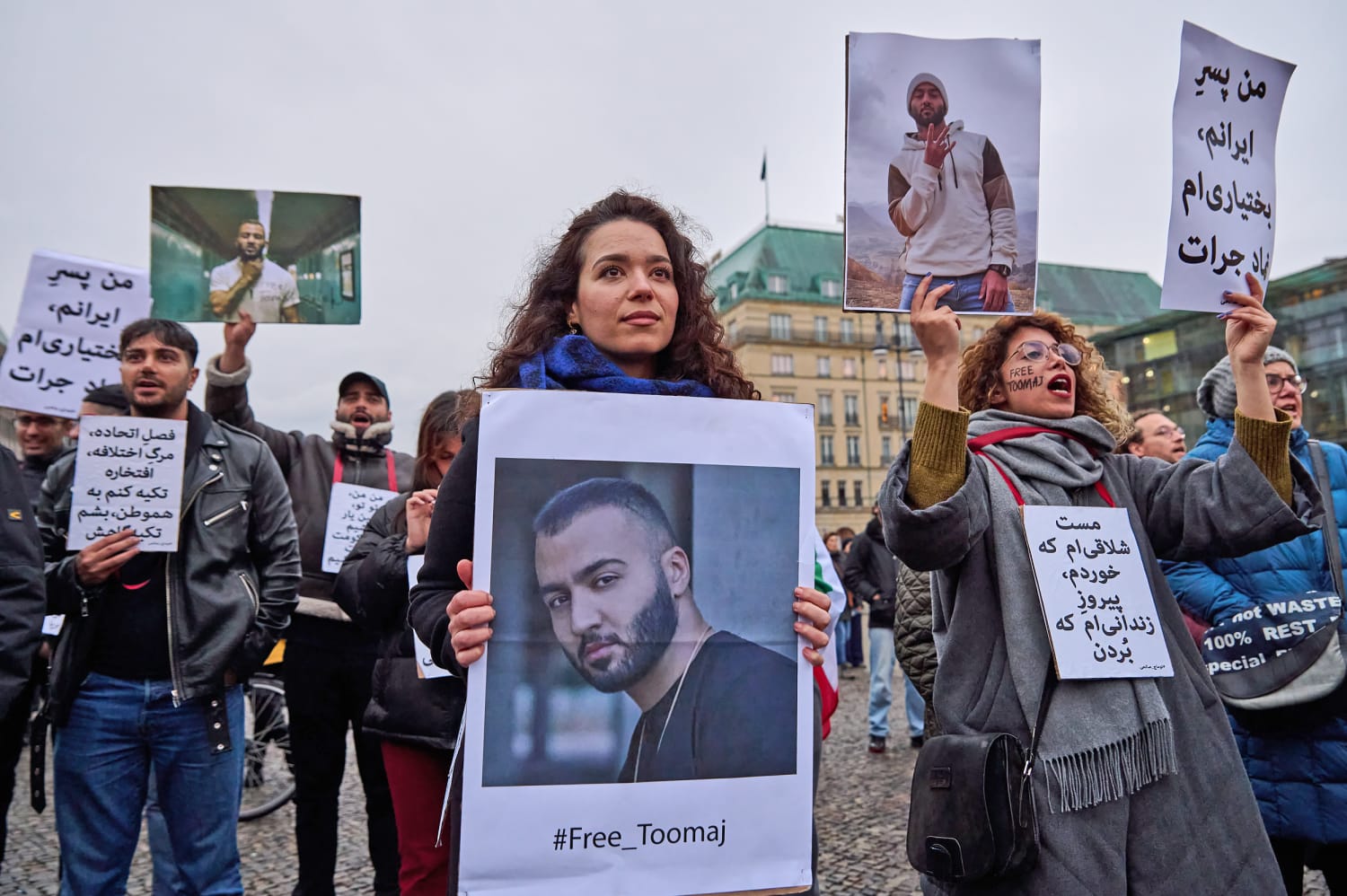
Rap as Rebellion:
Toomaj Salehi’s Battle Against OppressionToomaj Salehi, the most famous protest rapper in Iran, is a mechanical engineer and a lathe worker who has spent his salary and even his motorbike on creating his songs in protest against the regime. He says he is not afraid and wants to spread his courage to others. In the past years, he was…
-
Theology of Terror:
How Religion Fuels Genocide in GazaWhen 100 days had passed since Hamas’s surprise attack on Israel on October 7, 2023, Abu Ubaida (Hudhayfah Kahlout), the spokesman for Hamas’s military wing, spoke in a televised message about the reasons for the “Al-Aqsa Storm” operation. One of these reasons was forgotten among the many news reports and stories. He said: “… as…
-
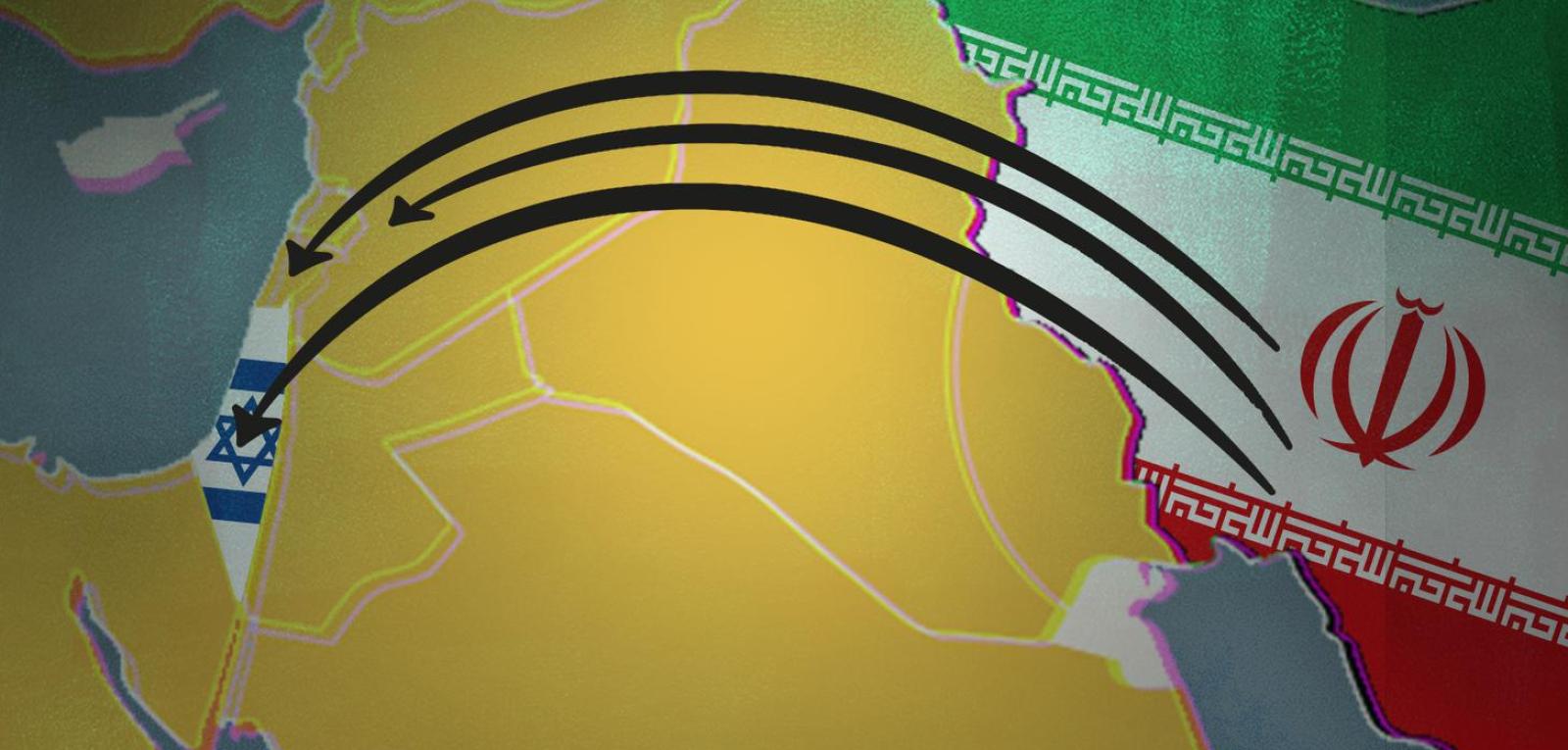
Voices of Dissent: Iranian Leftist Parties Condemn Militarism and Imperialism
Iranian leftist and communist organizations collectively condemn militarism, asserting the current Iran-Israel conflict benefits only the ruling regimes and imperialistic powers. They urge activism against war and oppression, associating increased hostilities with Iran’s attempts to distract from its domestic issues. Highlighting warmongering policies as a detriment to the Iranian populace and regional peace, they call…
-
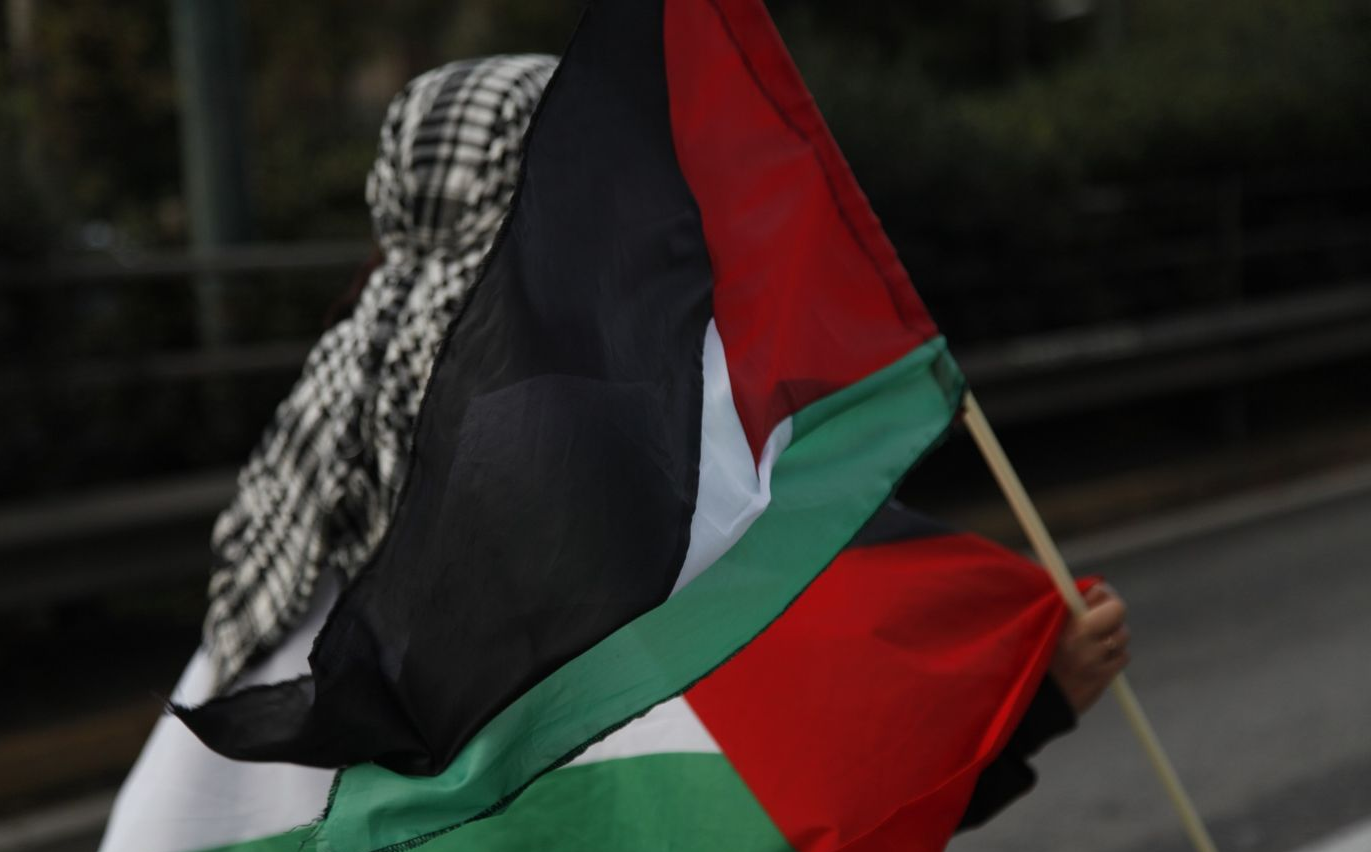
Palestine: Solidarity without Blind Spots
Marx’s analysis links primitive accumulation of capital and colonialism as two pillars of capitalist expansion, involving violent expropriation and exploitation tied to colonial ventures. This historical critique aligns with contemporary leftist debates in places like Greece, where the left grapples with anti-imperialist narratives and the ethical implications of alliances and trade with oppressive regimes. These…
-
Class Conflict and Redefining Socialism
The Islamic Republic is facing a crisis of hegemony; its political, economic, and cultural dominance is diminishing amidst internal discontent and defiance, particularly from the “Woman, Life, Freedom” movement. In contrast, Turkey exemplifies the decline of political Islam in a less autocratic context. Historical communism’s struggles inform current leftist nationalism in the West, which often…
-
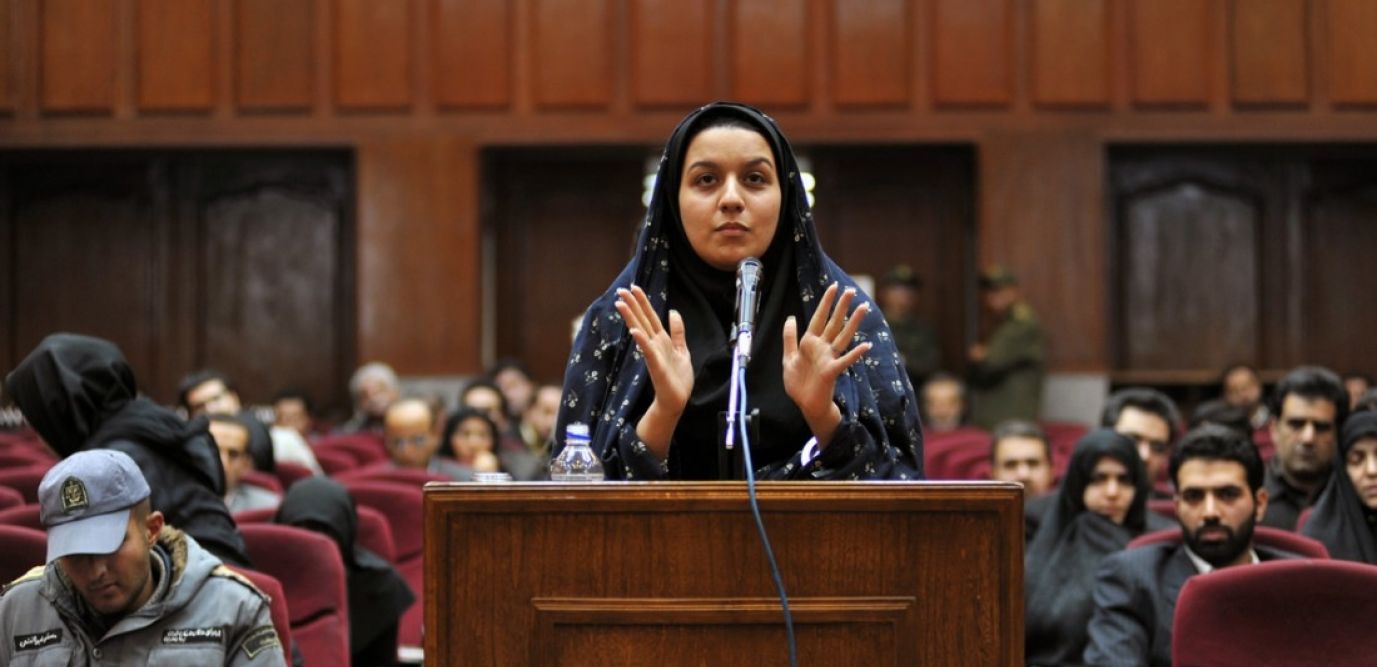
“Seven Winters in Tehran”, Fight for Saving Life
Documentary shock, “Seven winters in Tehran” by Steffi Niederzoll tells the story of Reyhaneh Jabbari, hanging for stabbing a man who wanted to rape her, and sheds light on the oppression of women in Iran. The production of “Seven Winters in Tehran,” co-produced by Germany and France, took more than five years and premiered at…
-
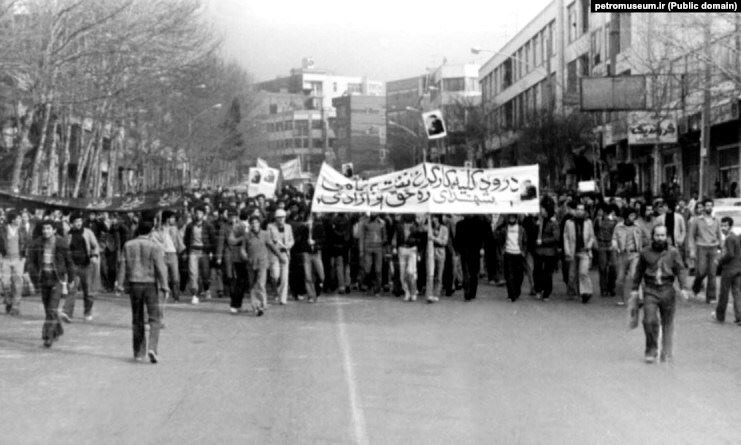
Foucault, Iran Revolution,
and the Question of OrientalismAfter several decades, we think that Western intellectuals in 1979 were mistaken about the Iranian Revolution, or, at best, were deceived by the words and behavior of Islamist who oppressed the revolutionaries and the “tricks” of the their leaders. But this is true? Can we add that these were intellectuals who described and explained events…
-
Afghanistan; A place Every Bomb Detonated
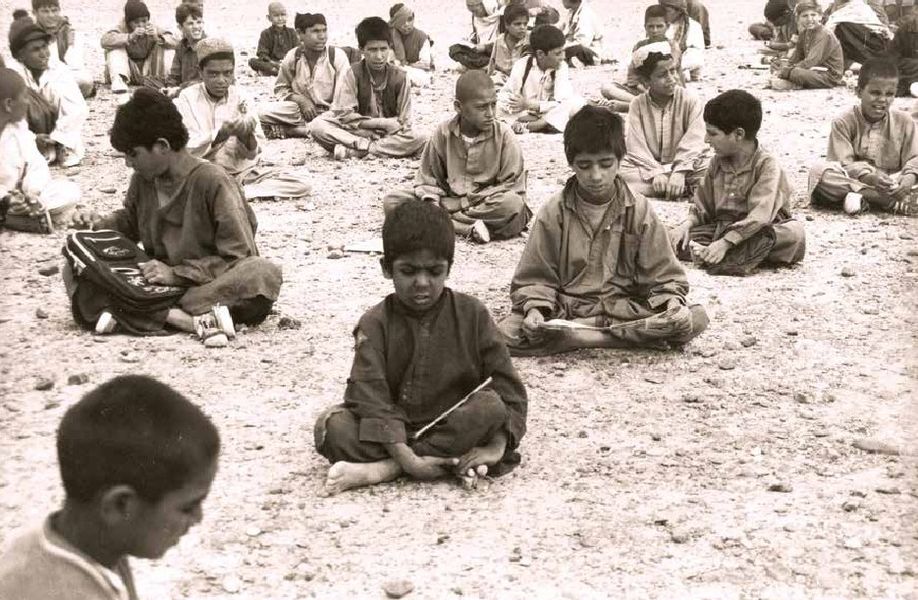
In the unforgiving deserts of Nimroz, amid dust and displacement, we made bonds and promises sprinkled with earth-tasting sugar to never forget each other. Narges Joodaki, an award-winning journalist, documents the harrowing journeys of Afghan refugees scarred by continuous wars. While teaching displaced children, subject to a world of suffering and untimely maturity, the bitter…
-
War; Marxism vs. liberal left!
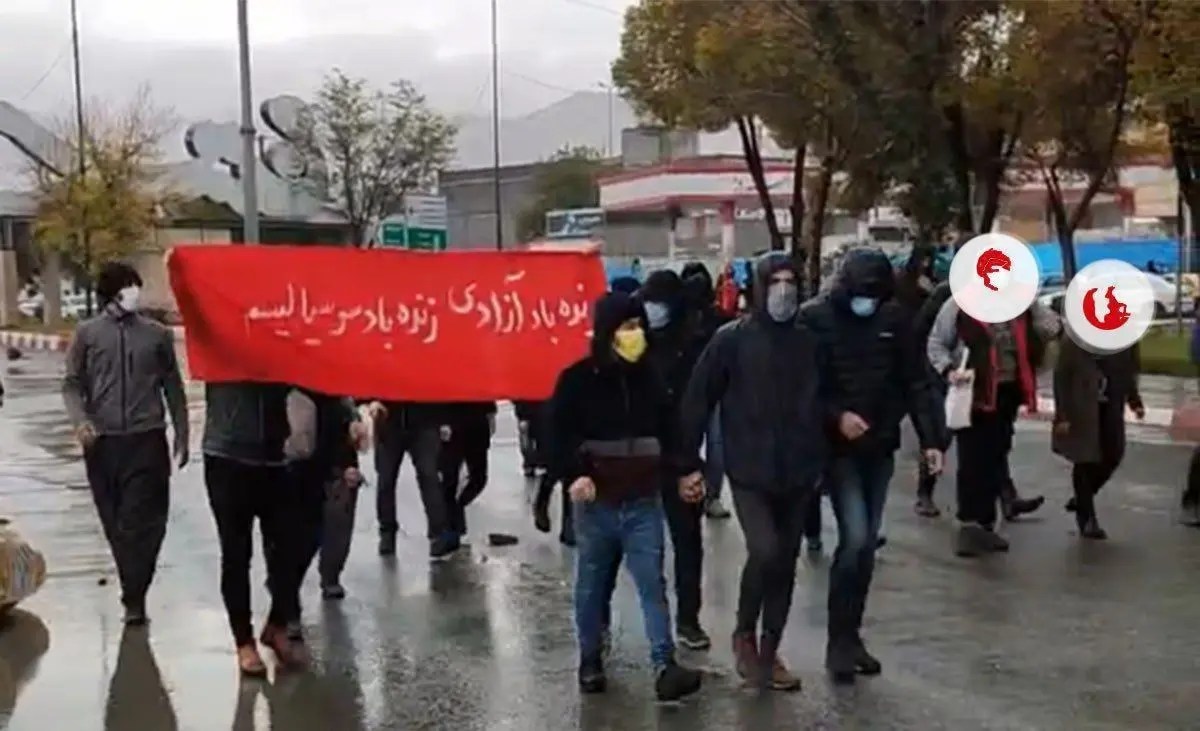
Western reluctance to support Ukraine swiftly, international firms’ vested interests in Russia, and the right-wing’s indifference toward Russia’s expansionism are central themes. Global left-wing politics, accused of siding with Russian imperialism and neglecting issues like migration and the struggles in the Global South, demonstrate intellectual poverty. They overlook major geopolitical shifts like Russia and China’s…
-
Voices from the Shadows:
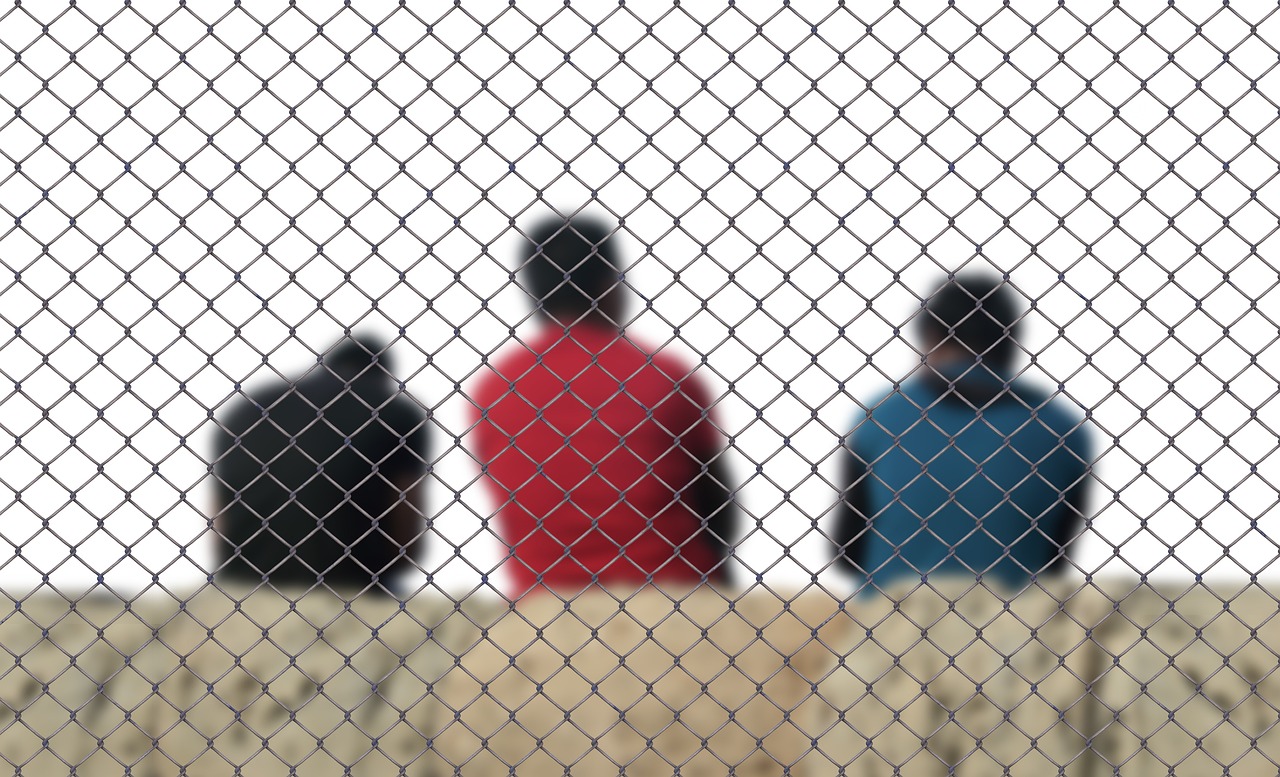
Inside Sweden’s Deportation CampsBerham Mohammad, a Kurdish refugee in Gothenburg, recounts the harrowing conditions in a Swedish camp that resembles a prison-like environment with psychological warfare, inhumane treatment, and repeated violations of human rights. Incarcerated with other refugees, some long-term residents face forced returns, while harsh daily living conditions provoke hunger strikes and suicide attempts among inmates. Despite…
-
Dawn of the Iranian Renaissance:
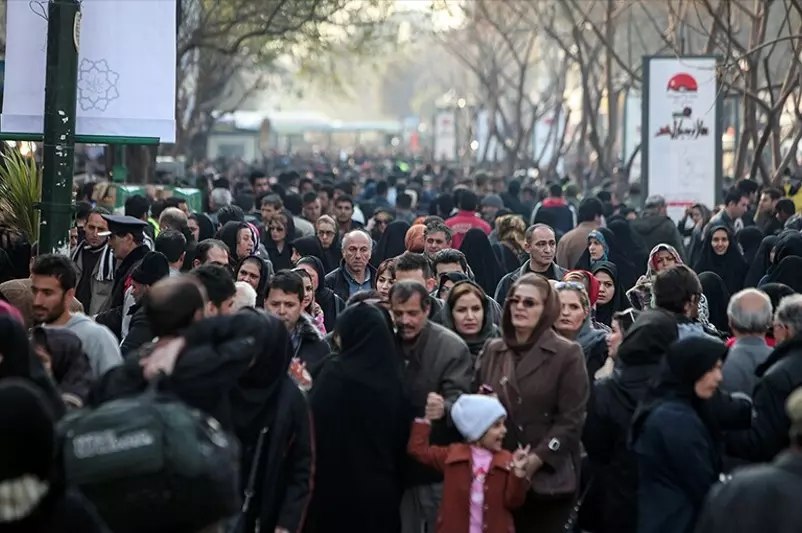
Critiquing the ReligionReza Alijani’s book “The Future of Islam in Iran” explores the social evolution and religious criticism in Iran since the Qajar era, focusing on the post-1979 authoritarian turn and economic corruption of the Islamic Republic. Analyzing society’s move towards modernity and individual rights, Alijani underscores the widespread challenge to traditional religious dominance, the advent of…


