Tag: Iranian Society
-
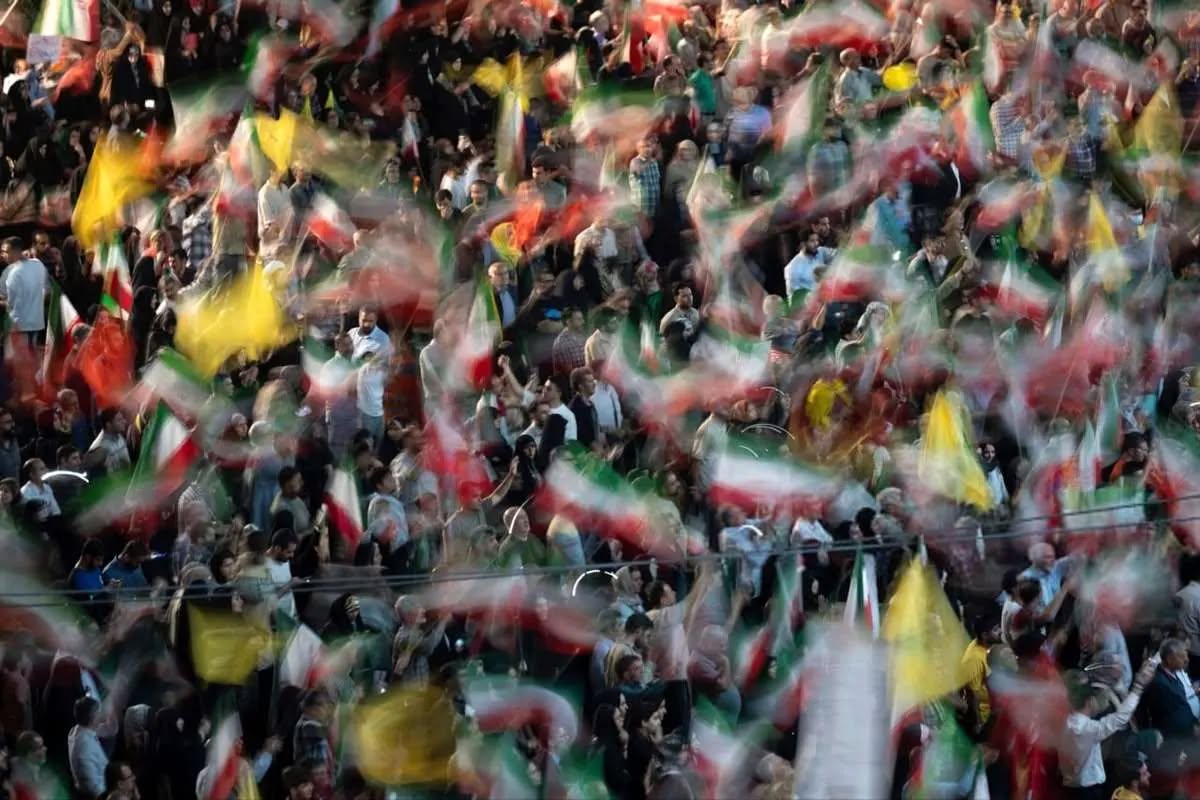
The Mechanism of Turning Diplomacy into Religious Epic
While going through Telegram and Instagram, I notice that the texts I read tend to contain the same mechanism, namely, the negotiator sitting at the table, but no longer functioning as a negotiator. On the contrary, he appears as “a soldier,” “a man of the field,” “a field commander,” and his coming to the negotiating…
-
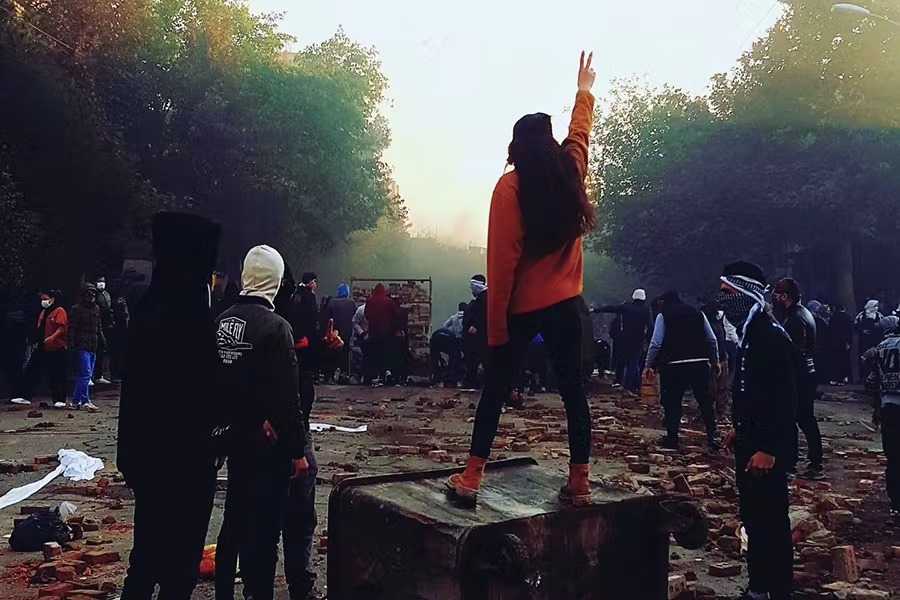
Komalah, Communism, and the Political History of Iranian Kurdistan
In a recent episode of Asraneh, Ebrahim Alizadeh, the First Secretary of Komalah, the Kurdistan Organization of the Communist Party of Iran, gave a long interview about the history of Komalah, the Iranian left, the Kurdish question, the formation of the Communist Party of Iran, the later splits, and the current political situation in Iran.…
-
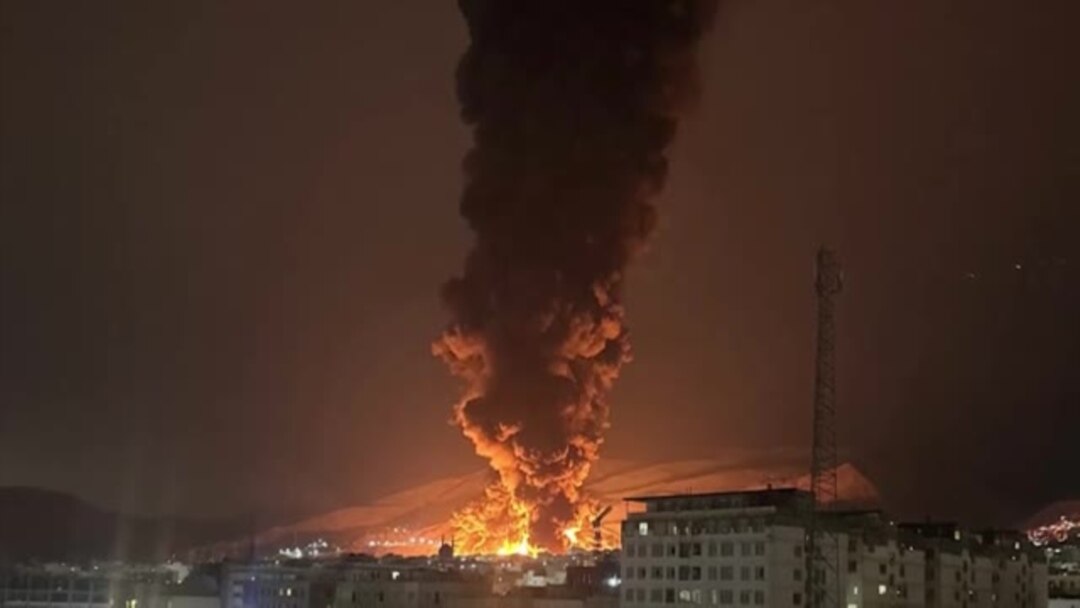
Ecocide in Tehran: When War Reaches the Air People Breathe
The issue is not simply the bombing of several oil depots. The real issue is that in modern wars, energy infrastructure is no longer just a military target. It has become the point where war, economy, environment, and everyday life intersect. When fuel storage facilities in Tehran, Rey, Shahran, Ghoochak, Fardis, and Alborz are attacked,…
-
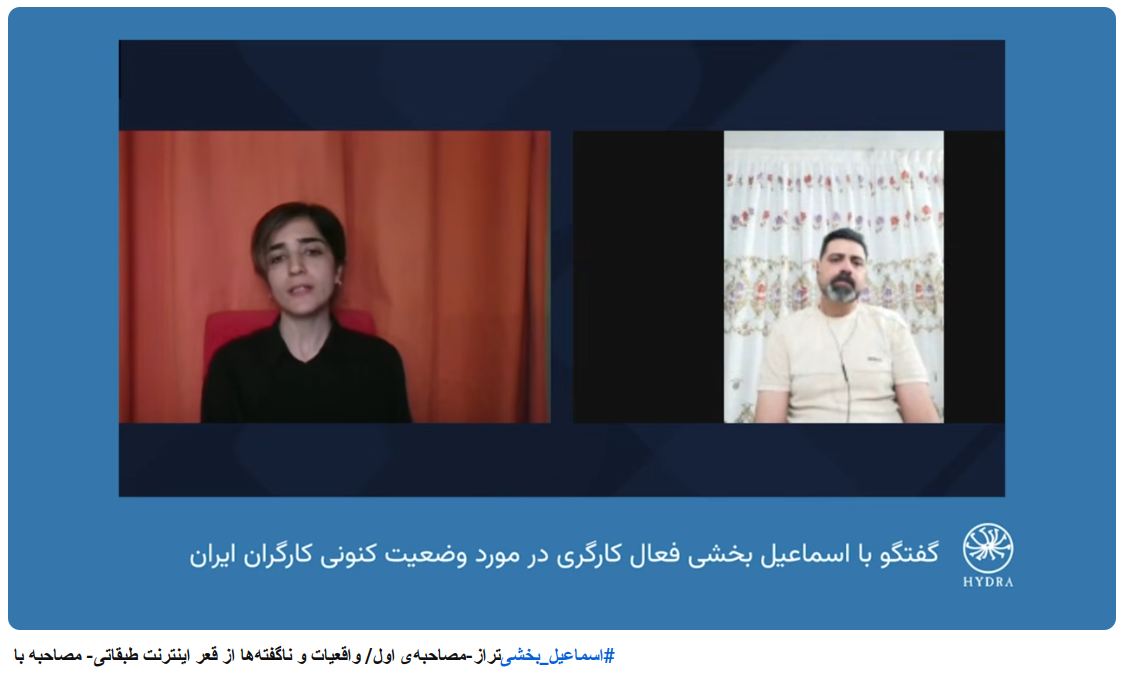
Bread, Freedom and Organisation: Esmail Bakhshi on Iran Today
Esmail Bakhshi is a well-known Iranian worker and labour activist. His name is mostly associated with the struggles of the Haft Tappeh sugarcane workers, the fight for independent workers’ organisation, and his own experience of prison, torture, dismissal from work, and resistance to repression. Over the past years, he has not been known as the…
-
Beyond the Mountain Myth: Kurdistan as Society
Kurdistan is often reduced to a militarized myth, erasing society, class, and everyday life. This essay argues for restoring social reality at the center, showing how both internal politics and external narratives flatten complexity across Kurdistan and Iran.
-
Inside Tehran, Under Bombs, Arguing About War and Power
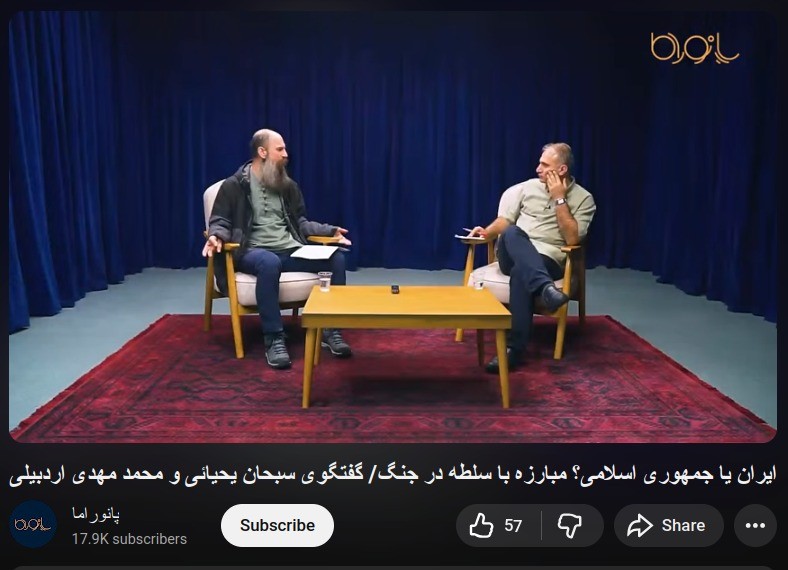
One month after the start of the US-Israeli war on Iran, a long conversation was recorded in Tehran between Sobhan Yahyaei, a media researcher and host of the Panorama podcast, and Mohammad Mehdi Ardabili, a philosopher and public intellectual. This was not just an abstract discussion. In the middle of the conversation, they say they…
-
Iran Beyond the Myth of a Unified People
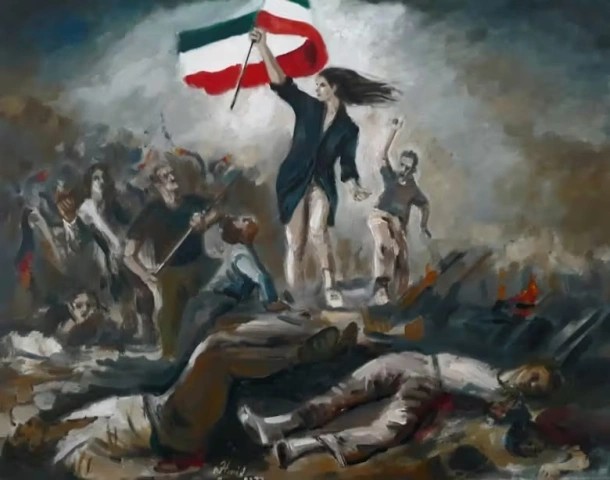
One of the laziest clichés about Iran is the idea that a single, unified “people” are standing against a single, unified “regime.” This formula works well for headlines, for rushed journalism, and for simple moral commentary. But when it comes to understanding real politics, it is almost useless. Iranian society is not a homogeneous block.…
-

Not progressive, just American: how Iranian society is erased in political debate
This article was written in response to a conversation Bernie Sanders had with three experts about the tense and troubled history of relations between Iran and the United States. The discussion rightly highlights the legacy of the 1953 coup, the destructive impact of sanctions and military interventions, the warmongering of the Trump administration, Israel’s role…
-
Mojtaba Khamenei and the Rule of the Shadows
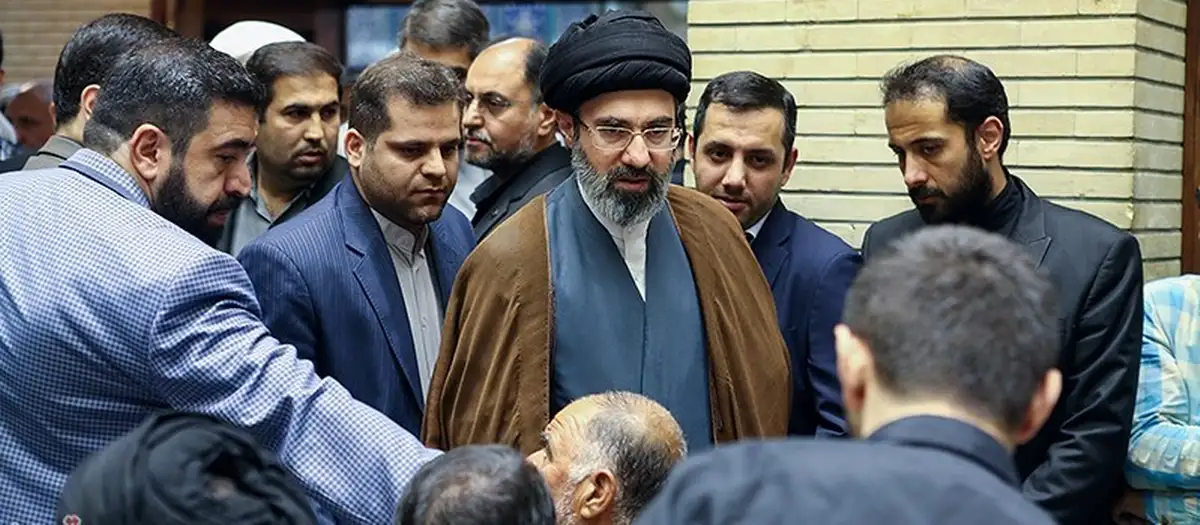
When it comes to Mojtaba Khamenei, the issue is not just whether he has become, or may become, his father’s successor. The more important issue is the kind of power concentrated around his name: faceless power, backstage power, security-driven power, and power deeply shaped by the logic of control. If we put together the many…
-
War, Revolt, and Iran’s Unfinished Struggle
On February 28, after three inconclusive rounds of nuclear talks in Geneva, coordinated U.S. and Israeli strikes targeted senior figures of the Islamic Republic’s political and security leadership as well as key command-and-control infrastructure. In the days prior, Donald Trump had publicly invoked January’s mass killings and the regime’s repression of protesters, framing military action…
-
Guerra in Iran: le verità involontarie di Trump e quelle ancora nascoste
Il 27 marzo, parlando davanti a una sala piena di investitori sauditi riuniti a Miami per il vertice Future Investment Initiative, Donald Trump ha detto di Mohammed bin Salman: «Non avrei mai pensato che sarebbe finito con lui che mi leccava il culo. Davvero, non l’avrei mai pensato. Ma ora deve essere gentile con me».…
-
Why “Neutral” Anti-Imperialism Keeps Losing
Let’s be blunt. Kidnapping, arresting, or killing a political figure of one country by another state is defined as illegal in international law, not because powerful states suddenly became humane, but because even ruling elites after World War II understood that if this logic isn’t contained, competition between states turns into permanent chaos and endless…


