Category: Journal
-
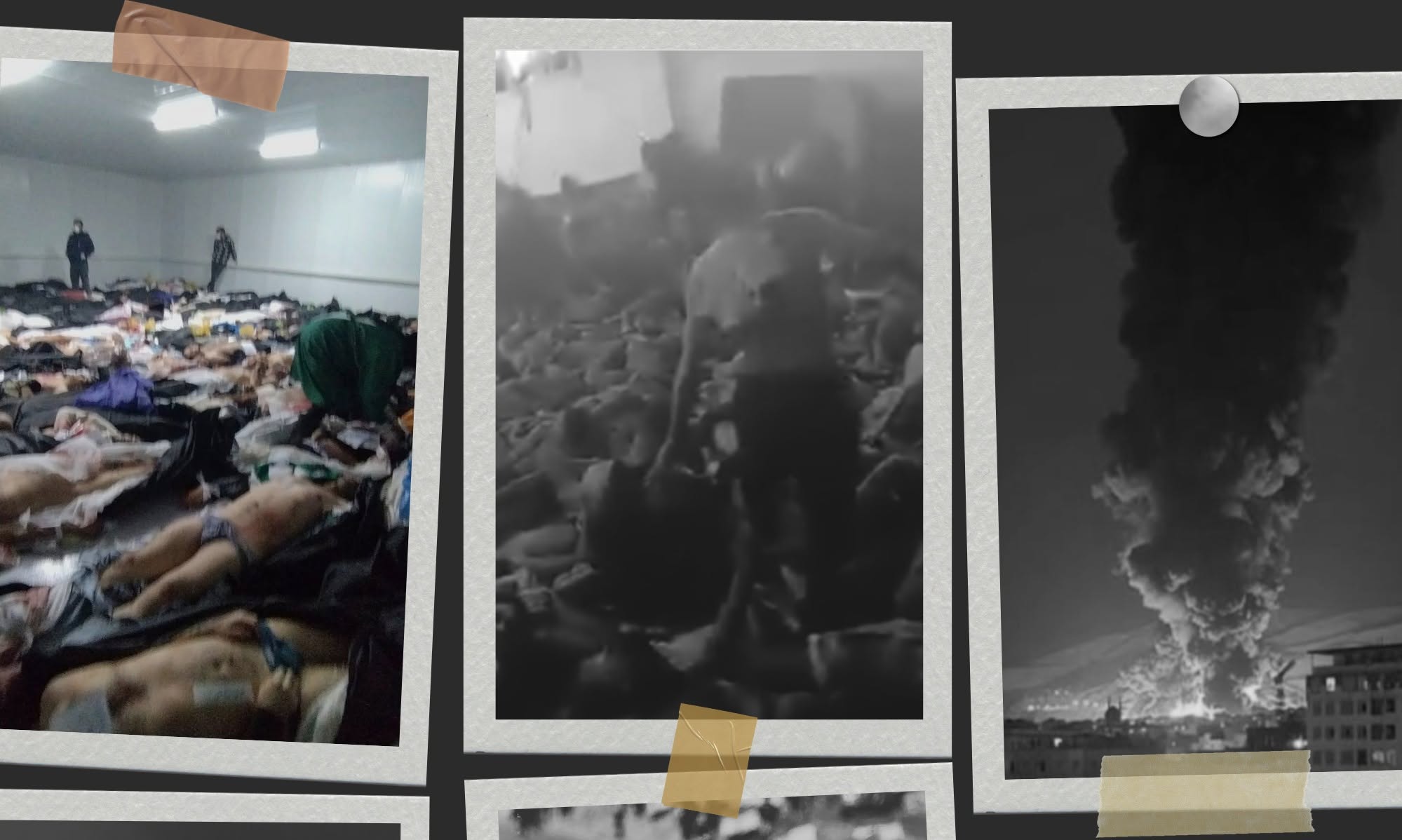
Migration, War, and the Dirty Work of Empire
Last night, I had a long discussion with an anarchist friend about the movement that today calls itself anti-imperialism. The result was this: I returned to a text I had written a few weeks ago and prepared it for my blog. The argument is simple. Europe produces deniability through distance. It places detention camps in…
-
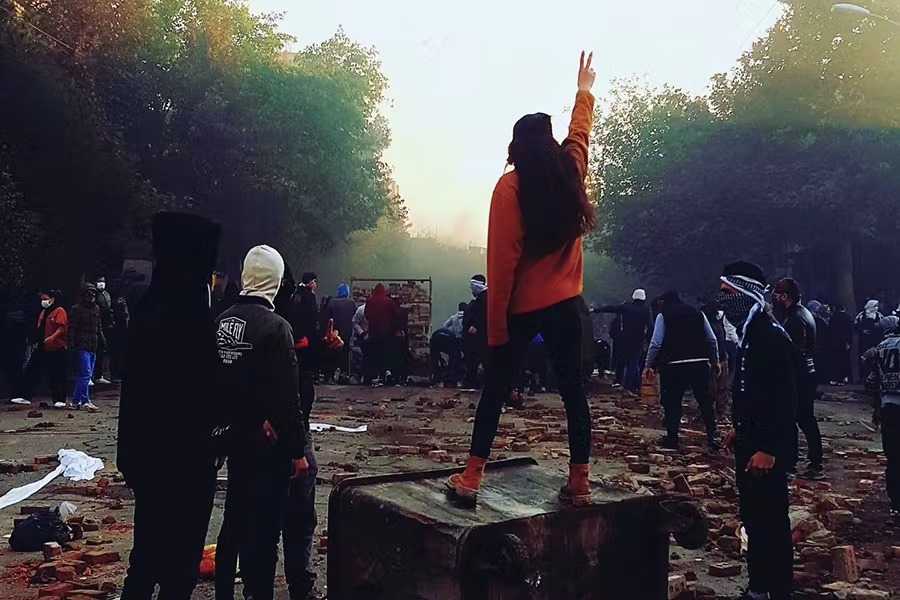
Komalah, Communism, and the Political History of Iranian Kurdistan
In a recent episode of Asraneh, Ebrahim Alizadeh, the First Secretary of Komalah, the Kurdistan Organization of the Communist Party of Iran, gave a long interview about the history of Komalah, the Iranian left, the Kurdish question, the formation of the Communist Party of Iran, the later splits, and the current political situation in Iran.…
-
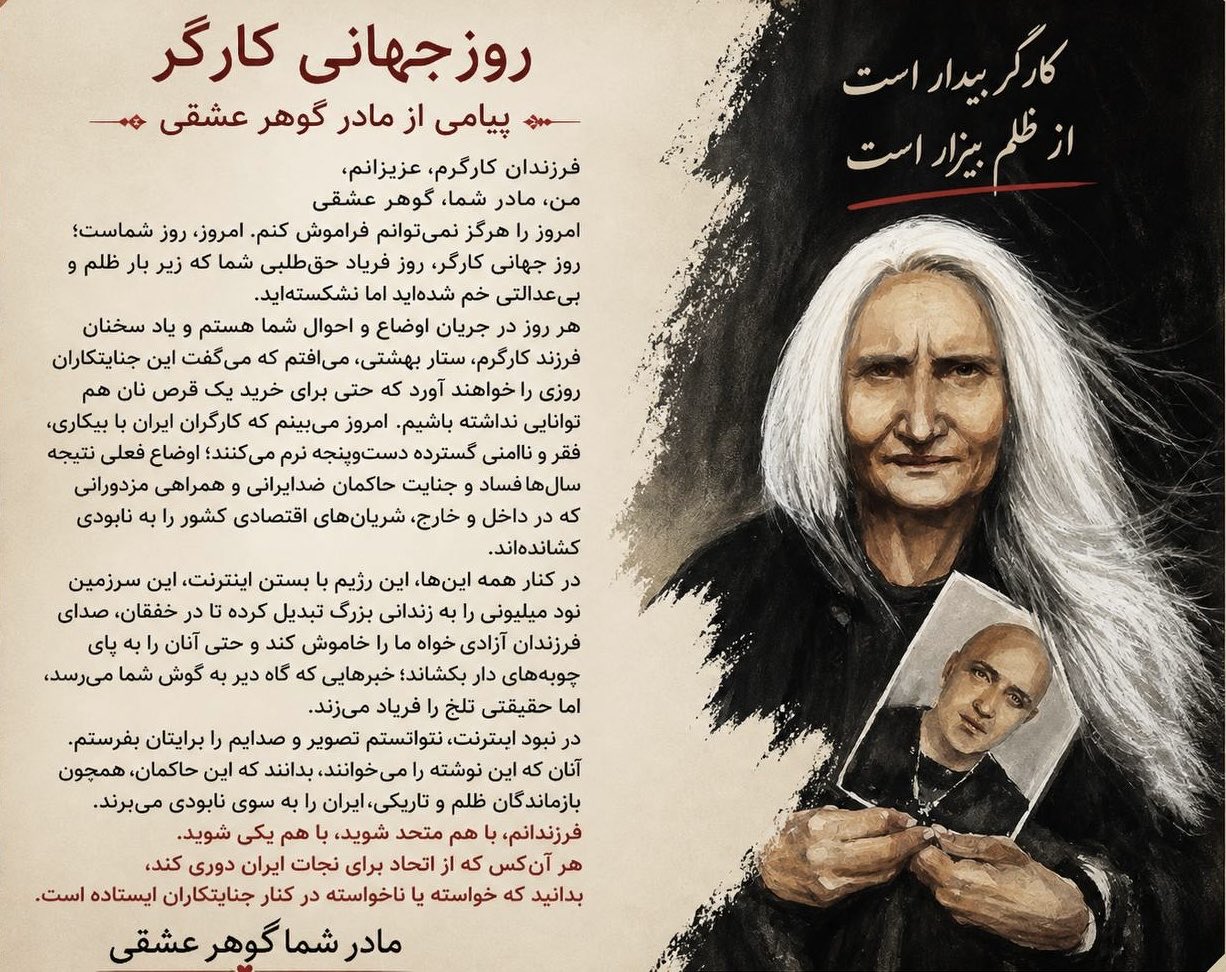
Bread, Speech, and Prison: Remembering Sattar Beheshti on Workers’ Day
On International Workers’ Day, Goahar Eshghi, the mother of Sattar Beheshti, published a message addressed to workers in Iran. It is a short text, but it carries the weight of a whole political history: the history of a worker killed in custody, a mother turned into a public voice of justice, and a society where…
-
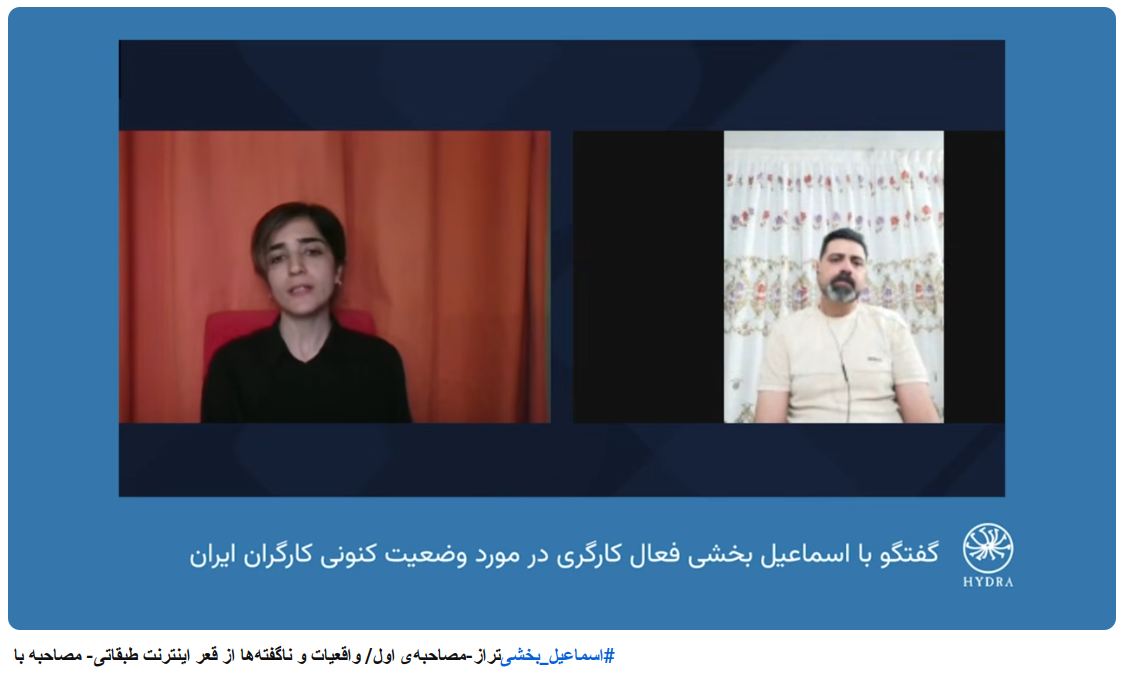
Bread, Freedom and Organisation: Esmail Bakhshi on Iran Today
Esmail Bakhshi is a well-known Iranian worker and labour activist. His name is mostly associated with the struggles of the Haft Tappeh sugarcane workers, the fight for independent workers’ organisation, and his own experience of prison, torture, dismissal from work, and resistance to repression. Over the past years, he has not been known as the…
-
National Wealth, Private Misery
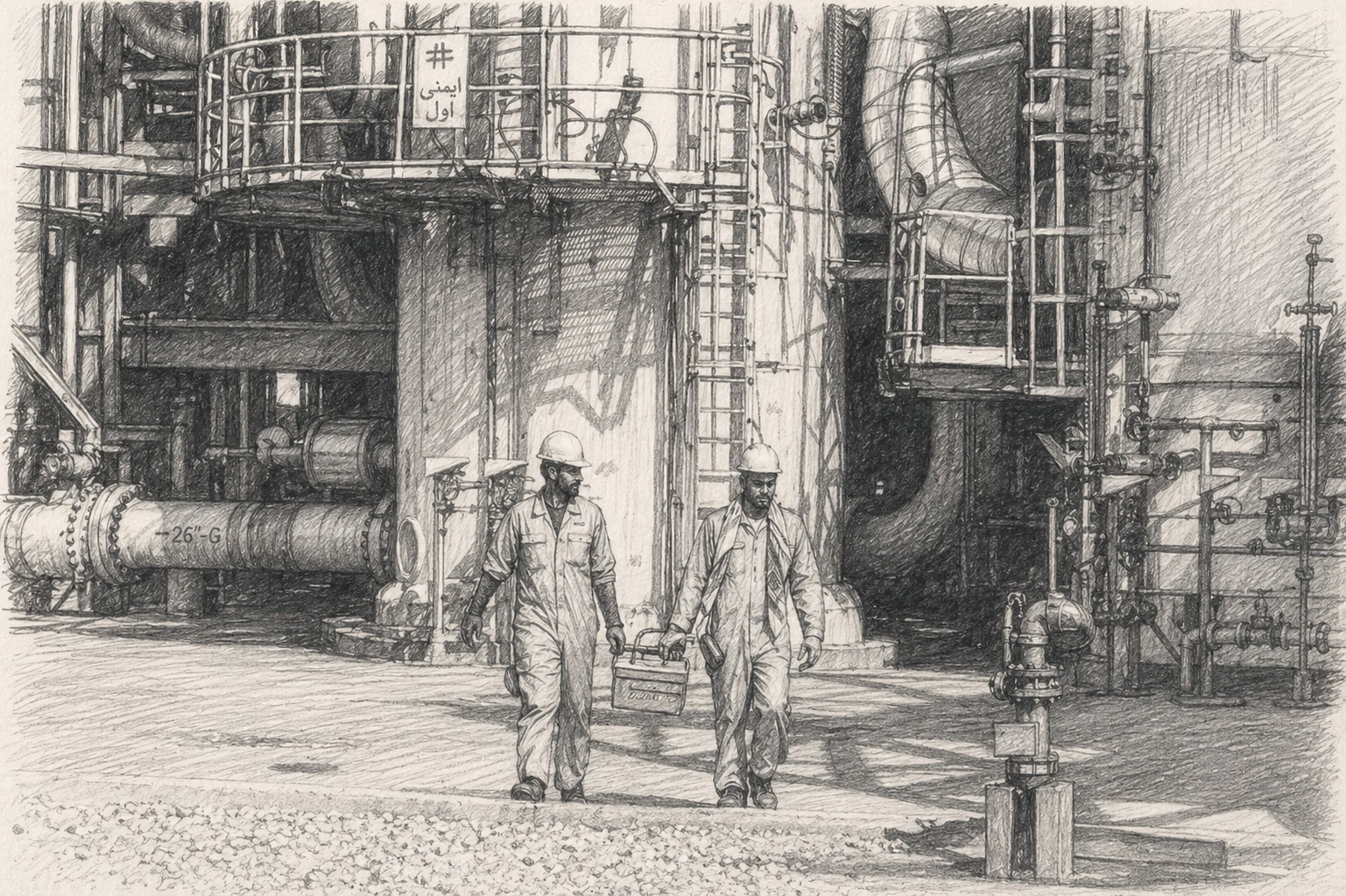
When we talk about oil, the main issue is not always what we see at first glance. The usual question is this: under war, blockade, and disruption in maritime routes, how much oil can Iran still sell? But perhaps the more urgent question is this: how much of the oil it still produces can Iran…
-
Iran’s Geopolitical Weight, and Its Political Trap
Iran’s place in the world cannot be understood only through the language of its ruling regime. It has to be read as a geopolitical unit positioned at one of the most sensitive crossroads of energy, trade, and security in West Asia. This matters because not all states occupy the same place in the global order.…
-
A Diaspora Misrepresented: Yasmine Mather on War and Media
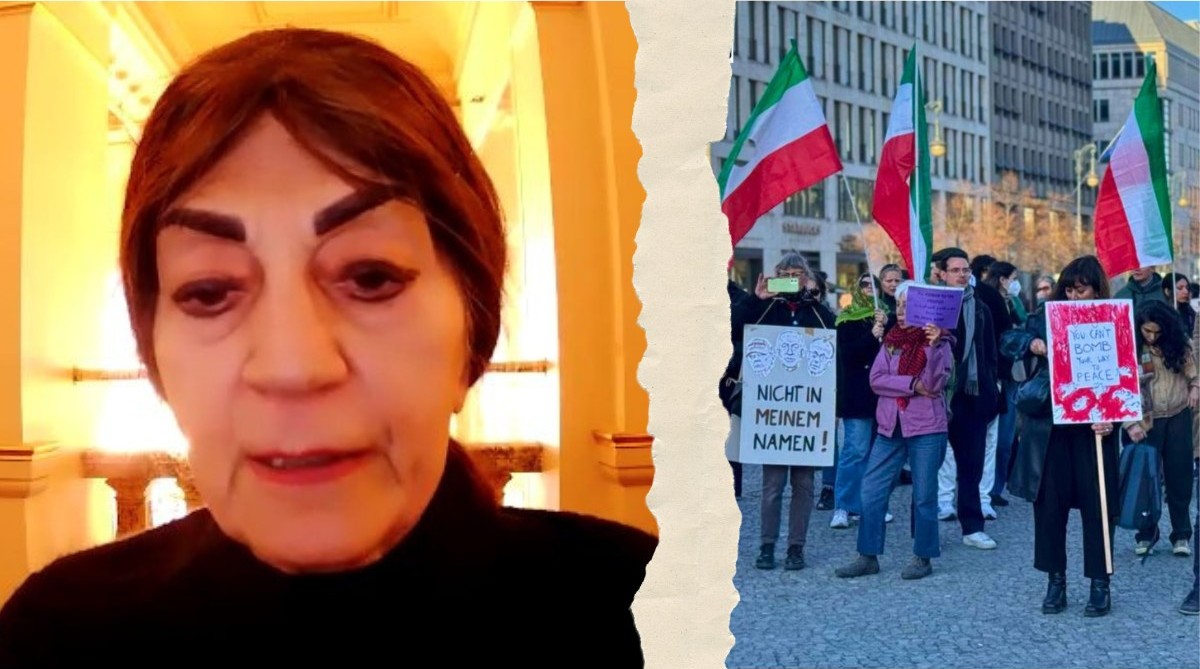
The war against Iran has made it even harder to sustain the neat, one-dimensional image that many Persian-language and Western media outlets try to present of Iranians living abroad. In this dominant narrative, the “Iranian diaspora” is treated as if it naturally supports foreign intervention, the escalation of war, and even the destruction of Iran’s…
-
The Islamic Republic and the Seizure of a Popular Revolution
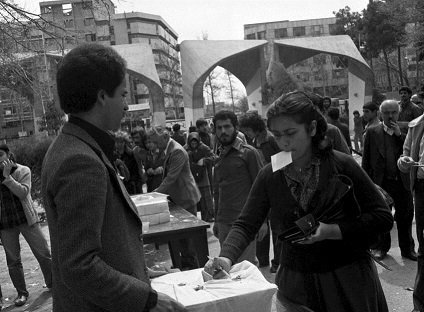
In the official calendar of the Islamic Republic, April 1 marks the day the “system” was consolidated. But in Iran’s critical memory, this date is not simply the anniversary of a referendum. It is the anniversary of the moment when a mass, diverse, anti-despotic revolution was compressed into a single, pre-directed answer: “Islamic Republic, yes…
-
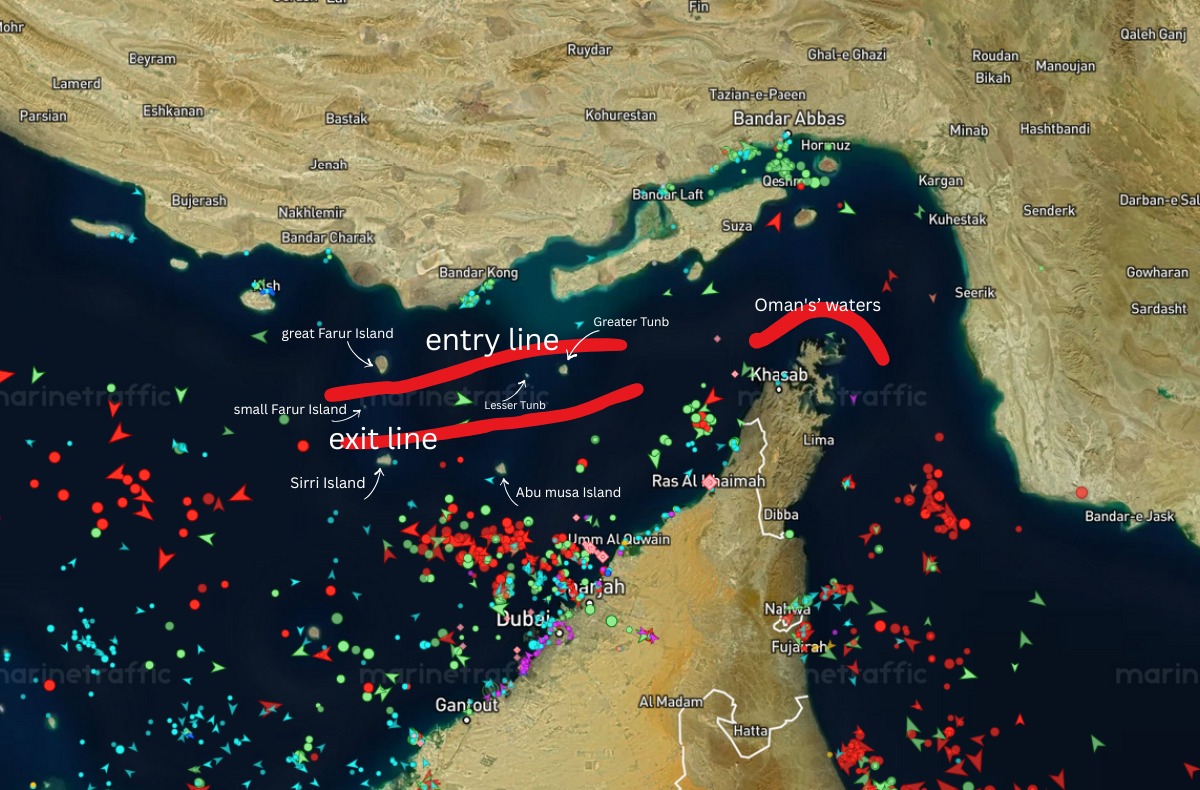
The Strait of Hormuz: Where War on Iran Becomes Everyone Else’s Crisis
In Iran, talking about a “global energy crisis” can sometimes feel like talking about something distant, something that belongs to other people’s lives. In a society that has spent years dealing with inflation, a collapsing currency, sanctions, structural corruption, and political repression, all alongside the organized looting of resources and the cheapening of labor, a…
-
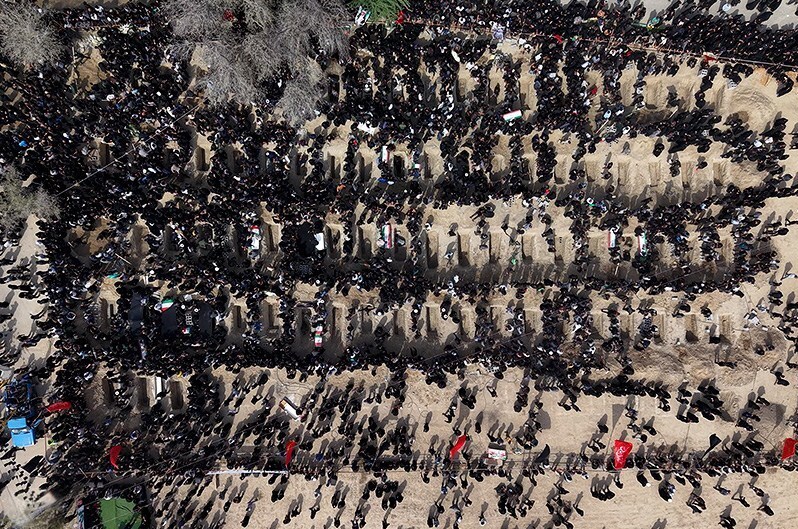
How a School In The Middle of War Became a Battleground Over The Truth
The Minab school case is not only about a deadly strike. It is about what happens to truth, language, and human judgment once war begins. On the morning of February 27, 2026, as the first wave of US and Israeli attacks on Iran was still unfolding, Shajareh Tayyebeh Elementary School in Minab collapsed. In the…
-
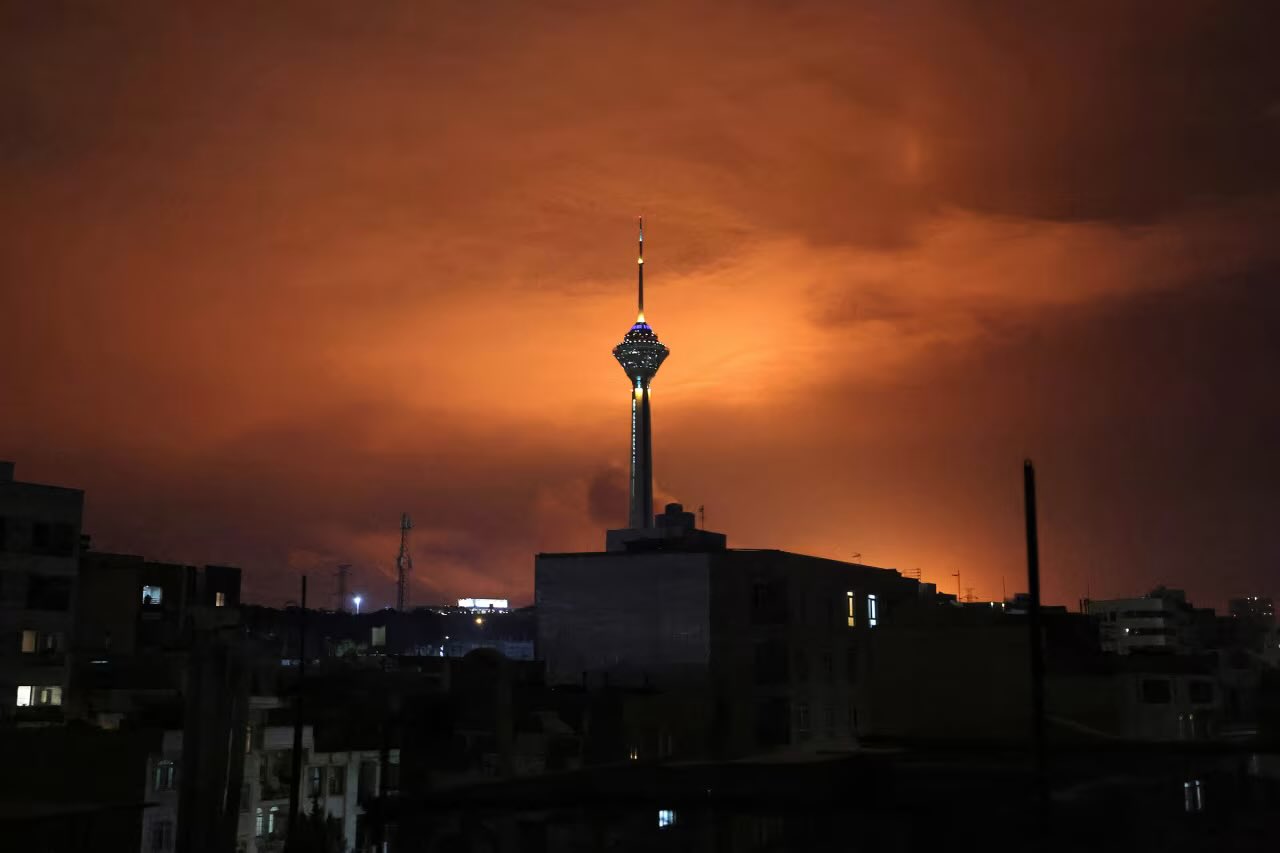
Under Fire, Still Speaking of the Neighborhood
The article published by Shargh first has to be read in relation to the conditions in which it was produced. This text was not written in a free and normal setting. It was written in the middle of war, communication breakdown, public fear, population displacement, and within one of the most restricted media environments in…
-
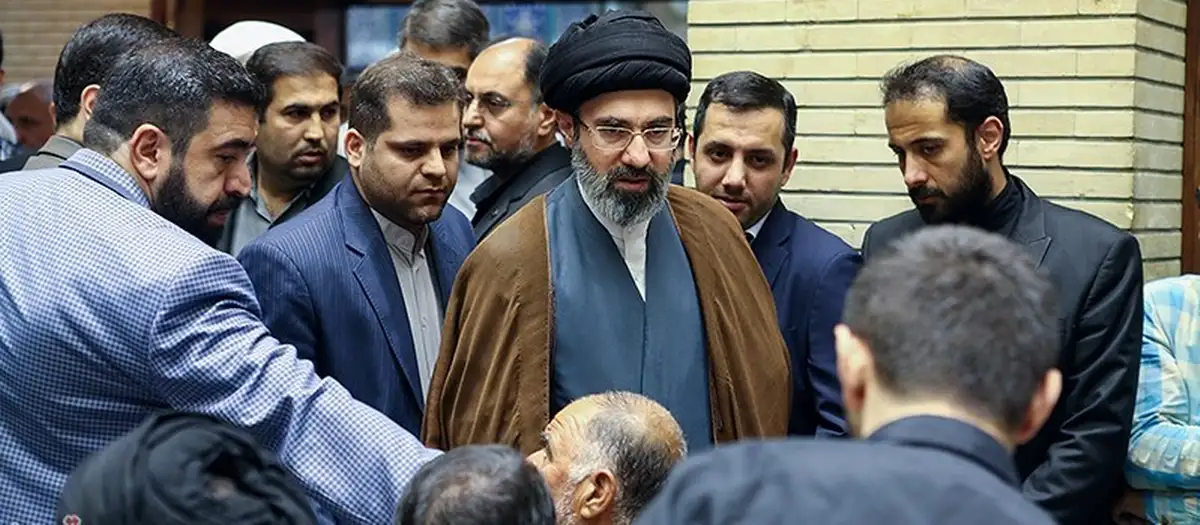
Mojtaba Khamenei and the Rule of the Shadows
When it comes to Mojtaba Khamenei, the issue is not just whether he has become, or may become, his father’s successor. The more important issue is the kind of power concentrated around his name: faceless power, backstage power, security-driven power, and power deeply shaped by the logic of control. If we put together the many…


